Full Metal Kaiju Hunters Pacific Ocean Map Guide
Long-route pressure, stamina, and the map that bridges city farms to boss-tier content in 1.1b.
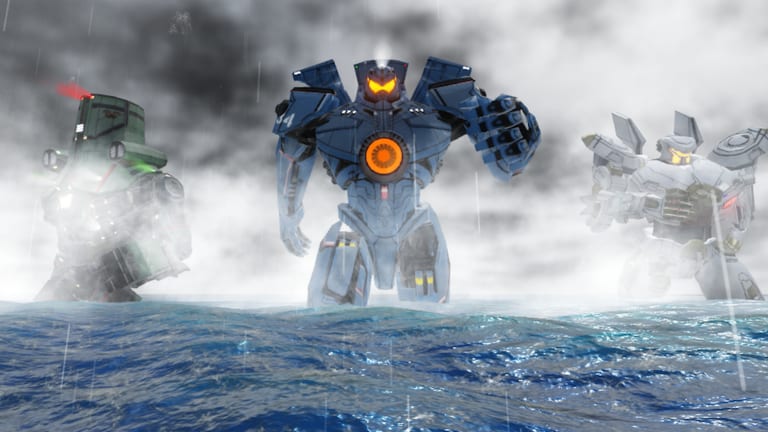
Pacific Ocean is the map that separates mid-tier pilots from serious ones in Full Metal Kaiju Hunters. Extended routes, fatigue on decision-making, and the chance to bump into boss-tier kaiju make it the proving ground after city farms. This page is the Pacific Ocean playbook for solo and small-coop pilots in the current v1.1b (Aug 2026) alpha.
Enter Pacific Ocean only after you have stable city clear times, a leveled Jaeger with real perks, and a purposeful equipment plan. Pair this page with Maps and Missions, How to Beat Bosses for the kaiju you expect to encounter, and the Loadout Planner so your rows match the kit you actually own. Boss-tier prep lives in the Kaiju Roster and the badge guides under Badges and Milestones.
Why Pacific Ocean matters in the rotation
Three things make Pacific Ocean different from city farms:
- Extended route pressure. Long sections test stamina and decision-making, not just combos.
- Boss-tier encounters are realistic. Otachi, Leatherback, Slattern, Mega Kaiju, Knifehead, and Onibaba can all appear here.
- Equipment sequencing matters more than on Hong Kong or Neo Tokyo. Wrong timing compounds over the long route.
That is why Best Jaegers and the Tier List treat Pacific Ocean as the bridge between city mastery and boss badge attempts. Kit reasoning lives in How to Unlock Jaegers.
Best Jaegers for Pacific Ocean
| Jaeger | Why it works here | When to swap out |
|---|---|---|
| Cherno Alpha | Tanky enough for extended routes and boss-tier pressure | Switch to Apex only when your perks are stacked |
| Apex (22+) | Top-tier damage for long routes when perks are fully invested | Switch to Saber Athena for mobility-heavy routes |
| Saber Athena (17+) | Mobility keeps decision windows honest across long sections | Swap to Midnight Winter when you can read windows faster |
| Midnight Winter | Fast M1 / bleed keeps pressure on kaiju that try to recover | Swap to Striker Eureka once dual-mode feels natural |
Bring the Jaeger whose perk stack you have actually invested. Bringing an empty Apex into Pacific Ocean is how alpha accounts waste Prestige.
How to prepare for a Pacific Ocean run
Treat every Pacific Ocean attempt like a stamina exam. Three steps before you queue:
- Workshop-test your Jaeger and equipment. Spend five minutes confirming combos, blocks, and equipment timing still feel right after the latest Discord note.
- Run a stable city clear. Hong Kong or Neo Tokyo should match your last clean baseline before you escalate to Pacific Ocean.
- Pre-commit your equipment plan. Assign Nuclear Air Strike, Bunker Buster, and the bombers / helicopter support to specific encounter types in your head before you spawn.
If any of those three fail, do not queue Pacific Ocean. City clear times slipping is a sign that the patch shifted something you have not yet noticed.
Equipment checklist for Pacific Ocean
- Nuclear Air Strike — Hold for the longest exposed stand or a multi-pack cluster. Do not dump on the opening roar.
- Bunker Buster — Assign to a grounded / armor-feeling window, not a panic moment.
- B2 / B1 bombers — Rotation control when the long route forces movement through corridors.
- Attack Helicopter — Safe pressure while rebuilding spacing after a reposition.
- Strafing Runs — Lane damage on a committed Knifehead charge through a long route.
Full equipment reasoning lives on Equipment Loadouts. If you are tweaking perk timing, run a Workshop pass first via Maps and Missions.
Perks that pay off in Pacific Ocean
- Enhanced Stabilizers — Recovery after heavy trades; matters more on long routes.
- Mag Lock Anchors — Save runs when a shove or grab displaces you out of the punish lane.
- Titanium Ribbing — Endurance against chip-heavy kaiju like Leatherback and Mega Kaiju.
Deep perk bias lives on Perks and Upgrades.
Common Pacific Ocean mistakes
- Skipping the Workshop after a patch and discovering the feel has shifted in your first long route.
- Farming Pacific Ocean for DNA without stable city baselines — it does not yield more DNA per minute than a city clear for most pilots.
- Bringing an Apex with empty perks into a long route — Prestige honesty comes first.
- Dumping Air Strikes on the opening roar and arriving empty for the real window.
- Blaming the map when the actual problem is stamina on long routes — see Combat Controls.
When to escalate beyond Pacific Ocean
Escalate when all three of these are true:
- Your Pacific Ocean clear times are stable for three runs in a row.
- You can hold your equipment plan across an entire long route without panic-editing.
- You have not changed Jaegers or perks in the last 72 hours (stability test).
From here, the natural next step is boss badge attempts via How to Beat Bosses prep, or focused The Breach runs for multi-objective pressure. Full progression order is on Maps and Missions.
Patch day habits (Aug 2026)
If Tragic Works Discord mentions a 1.1b-era weapon or VFX change, do not assume Pacific Ocean feels the same. Skim the Discord post, spend five minutes in the Workshop with the same Jaeger and the same equipment, run one short Pacific Ocean clear to confirm feel, and only then commit to a longer Prestige session. For broader patch context, see Updates and Version 1.1b.
Related reading
- Maps and Missions — parent hub for every place
- Hong Kong Map Guide — the farm map that comes before Pacific Ocean
- Neo Tokyo Map Guide — tighter spacing, mid-combo decisions
- The Breach Map Guide — multi-objective pressure after Pacific Ocean
- How to Beat Bosses — Otachi through Onibaba patterns
- Kaiju Roster — threat cards for each named encounter
Frequently Asked Questions
Quick answers to the most common questions.
Is Pacific Ocean a good early map in Full Metal Kaiju Hunters?
No. Save Pacific Ocean for after stable city clear times, a leveled Jaeger with real perks, and a purposeful equipment plan. It is a stamina exam, not a casual farm.
Which Jaeger should I bring to Pacific Ocean?
Use the Jaeger with the strongest perk stack you already own. Cherno Alpha, Apex, and Saber Athena all handle long routes; do not bring an Apex with empty perks.
Why is Pacific Ocean harder than Hong Kong or Neo Tokyo?
Pacific Ocean tests stamina on extended routes, with realistic boss-tier encounters and equipment sequencing that compounds over the long route.
When should I move past Pacific Ocean?
When Pacific Ocean clear times are stable for three runs in a row, you hold your equipment plan without panic-editing, and your kit has been stable for 72 hours.